
Organizing Through Loss: Gentle, Trauma-Informed Support for Your Home and Heart
Grief changes everything—routines, rooms, and the rhythm of a home. Spaces once filled with presence become places of memory and meaning. And in the quiet of that shift, practical choices still demand attention:
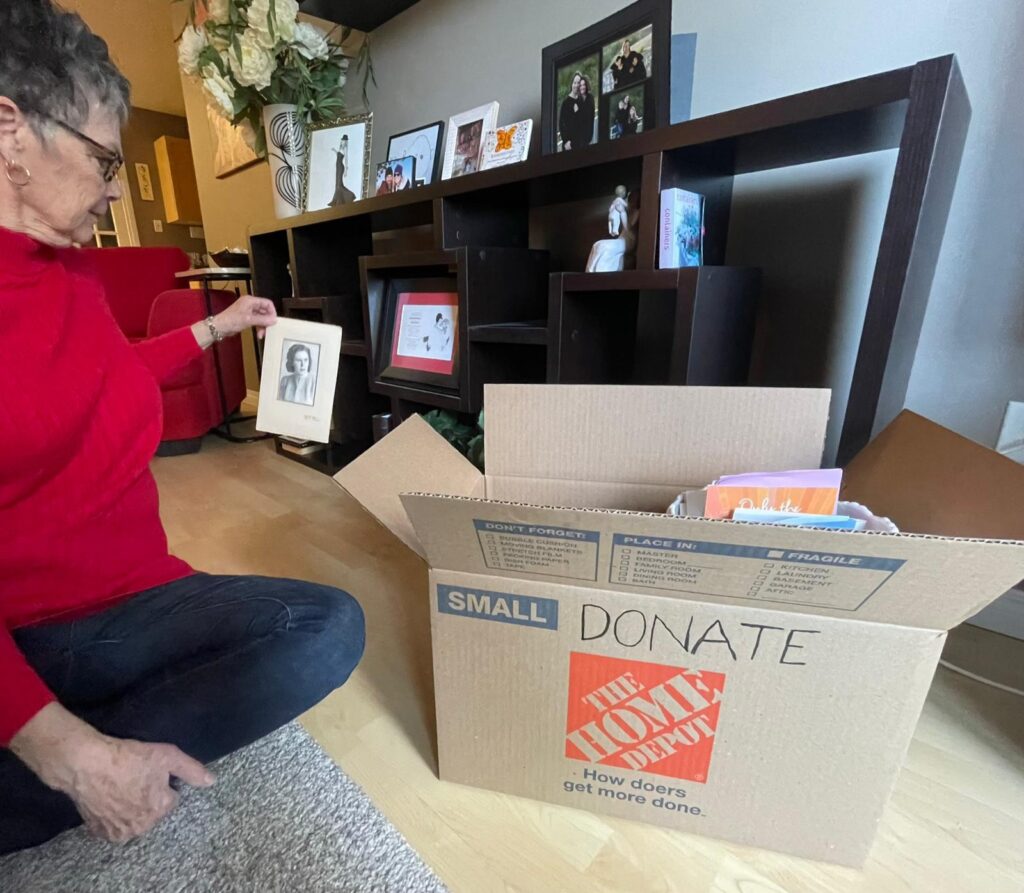
What do we do with their belongings? Where do we begin? How do we move forward without losing what matters most?
I’ve asked those same questions. When my brother—and closest friend—passed away, I found myself caring for his home and the belongings that told his story. Every drawer held a memory. Every object required a decision. It wasn’t just “sorting things.” It was a tender, complicated journey through love, loss, and—eventually—healing.
Out of that experience, The Phoenix Home & Estate Organizing was born—with a single purpose: to support families through life’s hardest transitions with compassion, respect, and skilled guidance.
What “Compassionate Organizing” Looks Like
Grief isn’t linear. Neither is organizing after a loss. Our work adapts to your pace, beliefs, and boundaries:
- We slow down where it matters. No rush. Your consent and comfort come first.
- We create a clear, step-by-step plan. Small, doable actions that prevent overwhelm.
- We protect what’s sacred. Stories, heirlooms, letters, photos—handled with care and privacy.
- We reduce decision fatigue. Curated options (keep, digitize, gift, donate, sell, recycle) with practical guidance for each.
- We coordinate logistics. Donation pickups, appraisals, shredding, recycling, selling, and discreet removals—handled end-to-end.
- We preserve legacy. Memory boxes, photo archiving, and written context (so future generations know the “why”).
Our Trauma-Informed Process
- Listening & boundaries (free consult). We learn your goals, timelines, what’s off-limits, and who needs to be involved.
- Plan the path. A customized room-by-room roadmap with estimated time, roles, and next steps.
- Gentle sorting sessions. We begin with low-stakes categories to build momentum before approaching emotionally loaded items.
- Decision support. We use guided questions to honor values and reduce guilt (e.g., Can this item’s story live on another way?).
- Ethical rehoming. Donation, gifting, sale, or recycling—aligned with your wishes.
- Legacy curation. Heirloom preservation, archival photo boxes, digitization, and labeled story cards.
- Closure & continuity. A brief home reset, plus a written summary and maintenance tips for the months ahead.
Privacy & Respect: We are guests in your story. Discretion, non-judgment, and consent are our standards.
Common Challenges We Help With
- “I’m overwhelmed and don’t know where to start.”
- “We’re managing this from out of town.”
- “Siblings disagree on what to keep.”
- “I feel guilty letting anything go.”
- “We have a deadline to prepare the home for sale.”
- “I want to preserve the most meaningful items and re-home the rest responsibly.”
What Families Say
“I expected boxes and labels. What I received was care, structure, and room to grieve. We kept what mattered and found beautiful ways to honor the rest.” — Client, Toronto
When Is the “Right Time” to Begin?
There isn’t one right time. Some families need practical help immediately; others wait weeks or months. We’ll meet you where you are and work at the pace that feels safe.
Pricing & Packages (Example)
- Guided Session (3 hours): For a focused area or category, with a micro-plan and quick wins.
- Estate Support (1–3 days): Room-by-room plan, sorting, logistics, donation/sale coordination.
- Full-Service Transition (multi-day): End-to-end support including legacy curation and home reset.
Every project receives a written plan and a clear estimate before we begin.
Start with Something Small